



Chicago Festival Season Is Here: The Event Cleaning Playbook for a Spotless Grant Park, Pilsen & Beyond
Chicago Festival Season Is Here: The Event Cleaning Playbook for a Spotless Grant Park, Pilsen & Beyond
Chicago’s September festival calendar requires organized cleaning plans. Large public events create concentrated foot traffic, food waste, spills, restroom demand, packaging waste, and debris. The cleaning schedule must begin before the first guest arrives and continue until the venue, park, street, or business area has been restored.
This event cleaning playbook applies to festival organizers, vendors, venues, property managers, and businesses located near high-traffic event areas.
The plan uses three stages:
- Pre-event preparation.
- During-event cleaning.
- Post-event cleanup and site restoration.
Chicago festivals requiring cleaning preparation
The 2026 Chicago festival schedule includes multiple events across different neighborhoods.
- El Grito Chicago is scheduled for September 12–13 at Butler Field in Grant Park. The festival hours are listed as 2:00 p.m. to 10:00 p.m. both days.
- The Englewood Music Festival is scheduled for September 12 near 63rd Street and Halsted Street.
- The 79th Street Renaissance Festival is scheduled for September 12 near 79th Street and Racine Avenue in Auburn Gresham. Event details should be confirmed with the organizer before finalizing service times.
- Sabor Fest is listed at 18th Street and Halsted Avenue in Pilsen. Confirm the final schedule before booking cleanup services.
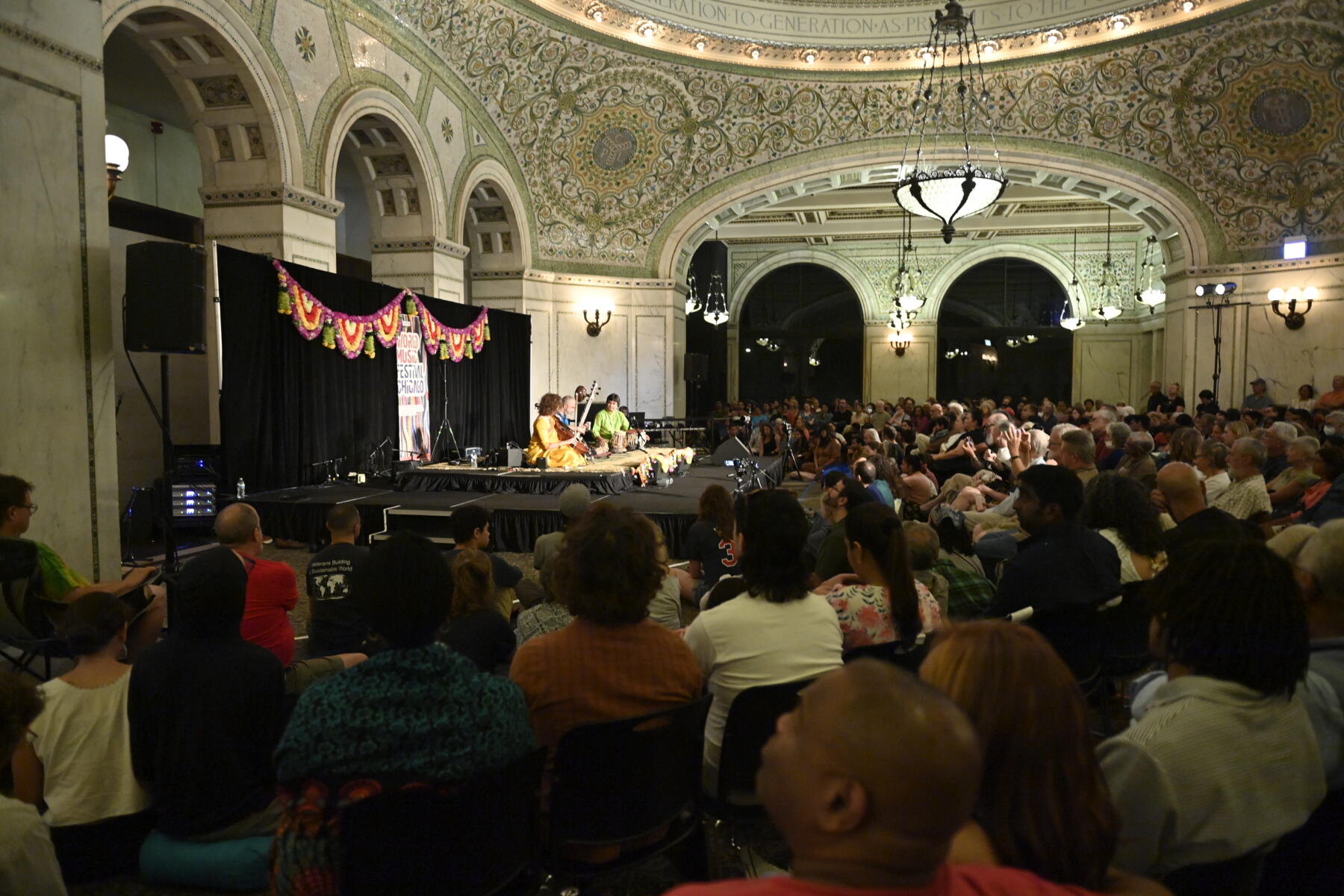
- World Music Festival Chicago is scheduled for September 25 through October 4 at multiple locations across Chicago.
- Chicago Jazz Festival is another major Chicago music event that can affect cleaning schedules, staffing, and nearby business traffic patterns.
Each event has different attendance patterns, operating hours, food service requirements, access restrictions, and teardown schedules. Use the event’s official information when confirming dates, site access, and vendor rules.

Before the festival: create the cleaning plan
Cleaning should be included in the event operations plan. Do not wait until the event is fully booked or the site map is complete.
1. Identify every cleaning zone
Divide the site into specific zones. Assign one person or team to each zone.
Common zones include:
- Main entrance and exit areas.
- Food and beverage areas.
- Vendor booths.
- Seating and viewing areas.
- Restrooms and handwashing stations.
- Backstage and staff-only areas.
- Sidewalks and public ways.
- Parking, rideshare, and loading areas.
- Nearby storefronts and building entrances.
- Waste, recycling, and compost collection points.
Record the location of each zone on the event map. Add the expected cleaning frequency for each area.
2. Estimate attendance and traffic
Cleaning needs increase with attendance, event duration, food service, alcohol service, and weather conditions.
Record the following information:
- Estimated attendance: [insert number].
- Event hours: [insert opening and closing times].
- Load-in time: [insert date and time].
- Vendor teardown time: [insert date and time].
- Number of food vendors: [insert number].
- Number of restrooms: [insert number].
- Number of waste and recycling stations: [insert number].
- Required site restoration deadline: [insert deadline].
Use this information to schedule crew size, equipment, supplies, and final inspection times.
3. Plan waste and recycling stations
The City of Chicago DCASE Special Events Resource Guide states that outdoor events must include a waste management plan. The guide also provides recycling responsibilities for organizers and vendors.
A practical waste plan should include:
- Separate trash and recycling containers.
- Clear signs on each container.
- Extra liners stored near collection points.
- A central waste consolidation location.
- A collection schedule.
- A designated waste hauler or disposal provider.
- A plan for food waste, cardboard, grease, wastewater, and other special materials.
- A staff member assigned to monitor waste stations.
Place recycling containers next to trash containers. This improves correct disposal and reduces contamination.
4. Prepare restrooms and hygiene stations
Restrooms require continuous servicing. Pre-event cleaning alone is not enough for a large public festival.
Before opening:
- Clean and disinfect toilets, sinks, faucets, dispensers, and door handles.
- Stock toilet paper, paper towels, soap, and hand sanitizer.
- Check floors for moisture and slip hazards.
- Confirm that waste containers are lined and empty.
- Assign inspection intervals.
- Record each inspection on a restroom checklist.
Create a separate response process for spills, plumbing issues, overflowing containers, and supply shortages.
5. Coordinate with vendors
Each vendor should understand the cleanup responsibilities for the booth or service area.
Confirm the following before the event:
- Who removes food waste?
- Who removes cardboard and packaging?
- Who cleans the booth floor and surrounding area?
- Where does wastewater go?
- Where are grease and cooking oil stored?
- What time must the booth be cleared?
- Who contacts the cleaning supervisor when a spill occurs?
For El Grito Chicago, official vendor information states that participants are responsible for booth setup, takedown, and cleanup. It also states that participants have three hours after closing to vacate their booth area. Confirm the current vendor rules directly with the event organizer.
During the festival: maintain visible cleaning coverage
Cleaning during an event should be active, scheduled, and visible. Assign crews to routes instead of waiting for complaints.
Recommended crew assignments
Use separate assignments for:
- Restroom service.
- Litter collection.
- Waste and recycling station monitoring.
- Food-area support.
- Spill response.
- High-touch surface cleaning.
- Post-closing cleanup.
- Site inspection and documentation.
Each team should have a supervisor or point of contact. Provide radios or another reliable communication method.
During-event checklist
Use the following checklist at scheduled intervals:
- Walk entrances and exits.
- Empty waste containers before they overflow.
- Remove loose cups, food containers, napkins, and packaging.
- Clean spills immediately.
- Keep sidewalks and accessible routes clear.
- Restock restroom supplies.
- Clean restroom touchpoints.
- Check food-service surroundings for grease or liquid spills.
- Inspect seating, tables, railings, and high-touch areas.
- Move full bags to the designated collection point.
- Record service times and unresolved issues.
- Report hazards to the event supervisor.
High-traffic paths require repeated attention. A single pass at the beginning of the event will not maintain acceptable conditions through the final performance.

After the festival: complete cleanup and restoration
Post-event cleanup should begin as soon as crowds leave and access is approved. The first pass removes visible waste. The second pass addresses details and site condition.
First post-event pass
Remove:
- Trash bags.
- Food containers.
- Cups and bottles.
- Cardboard.
- Promotional materials.
- Temporary signs.
- Tape, zip ties, and packaging.
- Broken items or damaged event materials.
- Debris around fences, stages, tables, and vendor booths.
Sweep all pathways, entrances, sidewalks, seating areas, backstage spaces, and loading areas. Check areas behind structures and under tables.
Second post-event pass
Complete the following:
- Sweep and mop hard surfaces.
- Remove sticky food and beverage residue.
- Clean and disinfect tables, chairs, railings, handles, and counters.
- Clean restrooms from top to bottom.
- Restock supplies if the facility will reopen.
- Remove remaining waste from vendor areas.
- Clean floors in nearby indoor spaces.
- Check for odors and trapped food waste.
- Inspect walls, doors, glass, elevators, and entryways.
- Restore furniture and equipment to the required layout.
- Confirm that accessible routes remain clear.
- Document damage or maintenance concerns.
A final inspection should be completed in daylight when possible. Wind, rain, and overnight activity can move litter to surrounding streets, sidewalks, landscaping, and parking areas.
Protect nearby Chicago businesses
Festival cleaning is not limited to the official event footprint. Businesses near Grant Park, Pilsen, Englewood, Auburn Gresham, and other event areas may experience increased foot traffic and additional litter.
Nearby businesses should prepare by:
- Scheduling exterior cleaning before opening.
- Adding trash liners and collection containers.
- Cleaning entry doors and glass more frequently.
- Inspecting sidewalks during peak event hours.
- Checking restrooms and customer areas more often.
- Removing food and beverage residue before it attracts pests.
- Scheduling post-event sweeping or pressure washing.
- Coordinating service times around street closures and deliveries.
A written service schedule helps prevent missed areas. It also makes it easier to adjust cleaning frequency when attendance or weather changes.
Customized event cleaning plan template
Copy this section into the event operations file and replace the bracketed text:
Event name: [insert event name]
Location: [insert location]
Event dates: [insert dates]
Expected attendance: [insert attendance]
Cleaning start time: [insert time]
Cleaning end time: [insert time]
Restroom service interval: [insert interval]
Waste collection interval: [insert interval]
Post-event deep cleaning time: [insert time]
Site restoration deadline: [insert deadline]
Cleaning supervisor: [insert name and phone number]
Emergency contact: [insert name and phone number]
Click on this template and replace the default text before distributing the final event plan.
Partner with TopTier Cleaning Solutions
TopTier Cleaning Solutions provides customized event cleaning and post-event deep cleaning services throughout Chicago and the Chicagoland area.
Service plans can include:
- Pre-event cleaning.
- During-event restroom and waste monitoring.
- Vendor-area cleanup.
- Spill response.
- Post-event litter removal.
- Floor cleaning and mopping.
- Restroom sanitation.
- High-touch surface cleaning.
- Nearby commercial property cleaning.
- Final site inspection.
A property visit allows the cleaning plan to be based on the actual layout, access points, traffic levels, vendor locations, and restoration requirements. The goal is to establish a long-term cleaning partnership rather than provide a one-time transaction.
How to connect with TopTier
Hosting or managing an event in Chicago? From pre-event setup cleaning to same-night turnaround and post-festival deep cleans, TopTier Cleaning Solutions is your event cleaning partner.
This routing section is for event organizers, venue managers, and businesses near festival grounds in Grant Park, Pilsen, Englewood, and Auburn Gresham.
Use the links below to move to the next step:
- Review service options: TopTier Cleaning Solutions Services
- Request a walkthrough or quote online: Contact TopTier Cleaning Solutions
- Call now: 312-725-6766
Get your free event cleaning walkthrough + quote — call 312-725-6766 or request online.
For a free walkthrough and quote, call 312-725-6766 or visit TopTier Cleaning Solutions. Customized event cleaning plans are available for festivals, venues, organizers, property managers, and commercial businesses across Chicagoland.
Related services
Keep every shared space ready.
TopTier can build a dependable cleaning rhythm around your building, your residents, and the details that make common areas feel cared for.